
K27’s $46,450 European Run: Four CS2 Events in One Month
Competing internationally in Counter-Strike 2 can become expensive long before player salaries enter the calculation. K27 has provided a rare look at those costs, reporting $46,450 in spending during a month-long European campaign covering four tournaments.
The trip also produced measurable competitive progress. Across the same period, K27 added 218 VRS points and moved 14 positions higher in Valve’s ranking.
Four tournaments · approximately one month · salaries excluded
Tournaments
Average cost per event
VRS points gained
Ranking positions
K27 Spent $46,450 Before Player Salaries
K27’s European campaign lasted approximately one month and included four tournaments. The organization reported spending $46,450 during that period.
The reported figure covered expenses associated with keeping the team travelling and competing, including accommodation, transport and normal day-to-day operating costs.
One detail makes the number particularly significant: player salaries were not included. The actual total cost of operating the roster during the same month was therefore higher than the publicly reported travel figure.
Dividing the reported $46,450 trip cost across four tournaments gives an average operating expense of roughly $11,612 per event before salaries.
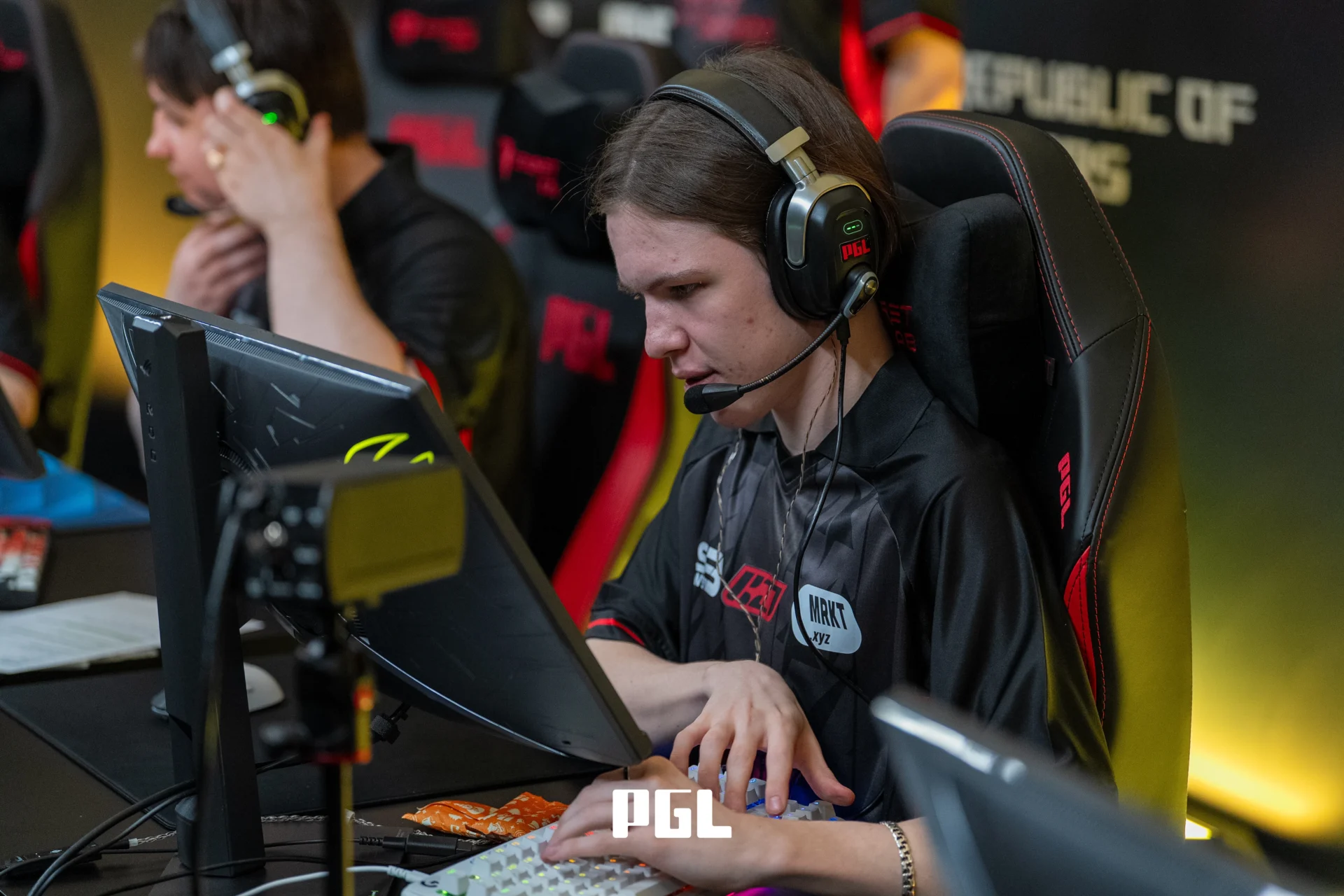
A Look at K27 During International Competition
International tournament participation involves much more than arriving at the venue on match day. Teams must move players and staff between locations, maintain accommodation and operate away from their usual training environment for extended periods.
K27 Gained 218 VRS Points During the European Run
The spending was accompanied by a noticeable improvement in K27’s position within Valve’s ranking system.
On July 14, the team was ranked No. 49 with 1,225 Valve ranking points. By August 20, K27 had reached 1,443 points and moved to No. 35.
1,225 points
1,443 points
That represents a gain of 218 ranking points and a 14-place improvement in a little over a month.
For teams trying to establish themselves internationally, ranking progress can have practical value. A stronger VRS position can improve the team’s path toward future qualifiers and tournament invitations.
Putting K27’s $46,450 Trip Into Perspective
The raw numbers become more interesting when the month-long campaign is viewed as a single competitive investment.
A simple division of the reported trip budget across four events.
The 218-point campaign gain divided across the four-event stretch.
A simple comparison between the reported travel spend and the VRS increase.
K27 moved from No. 49 to No. 35 during the European campaign.
VRS points do not have a fixed monetary value, and tournament spending cannot be directly converted into ranking points. The ratios simply illustrate the scale of the reported investment alongside K27’s competitive progress.
More Than $800,000 Has Reportedly Been Invested Into K27
The $46,450 European trip represents only a small portion of the broader financial commitment behind the organization.
According to figures publicly discussed by Varizan, more than $800,000 has been invested in maintaining the K27 project over roughly two years.
The figure illustrates the financial scale required to maintain an internationally competitive CS2 project over time.
Why International CS2 Competition Gets Expensive Quickly
K27’s figures offer an unusually clear example of the operational costs that sit behind professional Counter-Strike.
A team may need to attend several events within a relatively short period if it wants to build ranking momentum. That creates repeated travel and accommodation expenses before salaries and other longer-term roster costs are considered.
Travel
Moving an entire competitive roster between international events can become a major recurring expense.
Accommodation
Multi-week tournament schedules mean teams can remain away from home for extended periods.
Daily Operations
Routine costs continue throughout a tournament trip even before salaries are added.
Competitive Opportunity
Attending events creates opportunities to earn ranking points and improve access to future competition.
This is why a team’s tournament schedule is not simply a sporting decision. It is also a budgeting decision: organizations have to decide how aggressively to invest in opportunities that could improve their ranking and future event access.
K27’s European Investment Produced Visible Progress
There is no guarantee that tournament spending will translate into a better ranking. In K27’s case, however, the latest European trip ended with a measurable improvement.
The organization finished the stretch 218 VRS points higher and 14 ranking positions above where it had been in mid-July.
The next question is whether K27 can convert that ranking momentum into stronger tournament opportunities. If the team continues to climb, the value of the European campaign may extend beyond the results of the four events themselves.
K27 European CS2 Trip FAQ
How much did K27 spend during its European trip?
K27 reported spending $46,450 during an approximately one-month European campaign covering four tournaments.
Were player salaries included in the $46,450?
No. The reported figure excluded player salaries, meaning the actual total cost of operating the team during the same period was higher.
How much did K27 spend per tournament?
Dividing $46,450 by four gives an average of approximately $11,612.50 per tournament across the reported trip.
How many VRS points did K27 gain?
K27 gained 218 VRS points during the European campaign, increasing from 1,225 to 1,443 ranking points.
How far did K27 move up the Valve ranking?
The team moved from No. 49 on July 14 to No. 35 by August 20, an improvement of 14 positions.
How much has been invested in K27 overall?
Publicly discussed figures indicate that more than $800,000 has been invested in the project over roughly two years.
Follow More CS2 Esports News
Browse more CS2 news and tournament coverage or return to CSGONAV for the latest Counter-Strike stories and guides.